Tag Archives: Saudi Arabia News

Saudi doctor helps in delivering a baby on plane

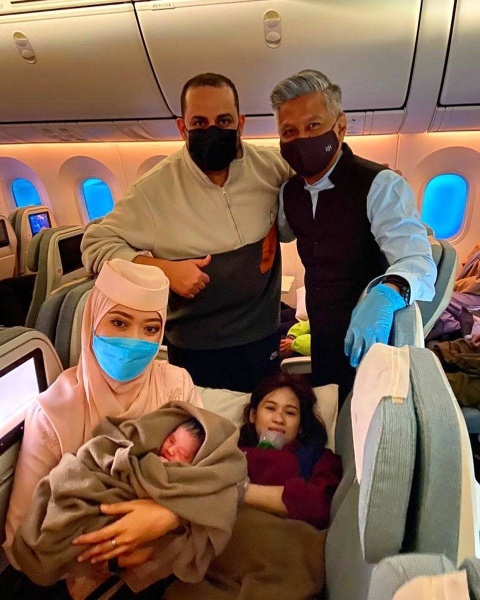
BRUNEI — Mulfi Al-Khinjar, a Saudi doctor, successfully delivered a baby after a pregnant Filipino woman in her 38th week of pregnancy went into labor on a Brunei Airlines flight from Dubai to Bandar Seri Begawan.

Dr. Al-Khinjar volunteered to help the pregnant woman in labor after being surprised by the flight crew’s calls inquiring if there was a doctor on board.

After the plane took off during his trip, Dr. Al-Khinjar, according to the agencies, said that he introduced himself to the crew soon on hearing the plea on the plane’s intercom.

He soon learned that a pregnant Filipina was enduring labor pains and needed help. On examining her, it became clear to him that she was about to give birth.

Dr. Al-Khinjar asked the crew to prepare whatever equipment available on board, in addition to communicating with the ground station to request advice from any specialist to record his recommendations.

After taking the recommendations from the ground station, Dr. Al-Khinjar said the ground station told him that it was left to him and the crew to take whatever actions they decide to assist the pregnant woman successfully deliver the baby.

The Saudi doctor said that he, with the help of the drew, succeeded in delivering the baby on the plane, and also confirmed that they followed up on the mother and her child’s condition throughout the 3-hour flight.

The Filipino woman, named Jenny Rose Josoy, and her new baby are in excellent health, Dr. Al-Khinjar said, noting that she was received at the airport with flowers.

Dr. Al-Khinjar confirmed that the Kingdom’s ambassador to Brunei, Imad Al-Muhanna, contacted him, and thanked and praised him for volunteering to save the life of the pregnant woman and her child.

The envoy also expressed his admiration on his behavior, which reflected positively on the reputation of Saudi Arabia.

The Saudi Arabia’s embassy in Brunei Darussalam has expressed its thanks and appreciation to Dr. Al-Khinjar, as it commended the doctor for raising the name of the Kingdom through this honorable work and efforts by performing the delivery for a Filipina on the flight bound to Bandar Seri Begawan.

The Saudi doctor Al-Khinjar is from Qurayyat city in Al Jouf Province, and holds a Doctor of Medicine (M.D.) from the University of Newcastle and a Master of Public Health (MPH) from the University of Melbourne.

Twelve expats arrested for creating and promoting fake links similar to a government platform in Riyadh

The Riyadh region police arrested, on Friday, 12 expatriates of Yemeni nationality for committing fraud and fraud operations, which consisted in establishing and broadcasting fake electronic links similar to one of the government platforms, and promoting them; claiming to provide services through them.

The police explained that the arrested, six violators of the border security system, and 6 residents who violated the residency system, seized the money from their victims, and transferred it out of the Kingdom, using a housing unit in Riyadh as the headquarters for their crimes.

She noted that they were seized in possession of 33 mobile phones and 15,616 riyals, indicating that they were stopped, taking legal measures against them, and referring them to the Public Prosecution.

Mababayaran ang mga pasahero mula sa Airlines para sa pagkawala, pagkasira o pagkaantala ng Luggage – GACA

Ang General Authority of Civil Aviation (GACA) sa Saudi Arabia ay nagpataw ng pinansiyal na kabayaran sa mga airline, kung maantala o mawala o masira ang mga bagahe ng pasahero. Kinakailangan ng Airline na bayaran ang customer sa loob ng 30 araw mula sa petsa ng pagtanggap ng claim sa kompensasyon.


Ipinaliwanag pa ng GACA na dapat bayaran ng air carrier ang bawat customer na may hawak ng ticket na may minimum na 1,820 Saudi Riyals at hindi hihigit sa 6,000 riyals para sa pagkawala, pinsala o pagkaantala ng bagahe.

  • Ang mga pasaherong gustong taasan ang antas ng kompensasyon dahil ang kanyang bagahe ay naglalaman ng mahahalaga o mataas na halaga ng mga bagay ay dapat ibunyag sa airline ang kanilang presensya at halaga nito bago sumakay sa flight.
  • Dapat mabayaran ang mga customer kung sakaling maantala ang kanilang mga bagahe, katumbas ng 104 riyals para sa bawat araw ng pagkaantala at maximum na 520 riyals para sa mga domestic flight, sabi ng GACA.

Ang mga kumpanya ng pribadong sektor na kumukuha ng mga manggagawa ay hindi magbabayad ng atraso sa bayad

JEDDAH — Inilibre ng Ministry of Human Resources and Social Development ang mga kumpanya at establisimiyento ng pribadong sektor mula sa mga hindi pa nababayarang bayad ng gobyerno ng mga manggagawang naglilipat ng kanilang mga serbisyo sa mga pasilidad na ito. Ang bagong tuntunin ay ilalapat sa mga manggagawa na ang mga serbisyo ay inililipat mula Hunyo 9, nalaman ng Okaz/Saudi Gazette.

Ayon sa bagong desisyon, ang kumpanya o establisyimento kung saan naghahangad ng paglilipat ng serbisyo ang manggagawa ay kailangang pasanin ang hindi pa nababayarang bayad ng gobyerno, kabilang ang bayad sa permit sa trabaho, bayad sa expatriate (pinansyal na kabayaran), at mga multa para sa pagkaantala sa pag-renew ng residency permit (iqama). Ang platform ng Qiwa ng ministeryo ay nagsimulang i-activate ang desisyon ng pagsingil sa mga bayarin na ito mula sa mga dating employer ng mga manggagawa.

Ang mga mapagkukunan ng Qiwa ay nagpahayag na ang bagong desisyon ay hindi naaangkop sa mga manggagawa na ang mga serbisyo ay inilipat bago ang Hunyo 9. Ang desisyon ay naglalayong bigyang-daan ang mga bagong negosyo na maisagawa ang kanilang mga negosyo nang walang hindi inaasahang pananalapi na mga obligasyon, at sa gayon ay matiyak ang patas na kompetisyon sa iba pang mga negosyo, bilang karagdagan sa hindi paglantad sa kanila sa mga kahirapan sa pananalapi. Sa ilalim ng nakaraang mekanismo, ang mga establisyimento, na naghahangad ng paglilipat ng serbisyo ng mga manggagawa, ay kailangang pasanin ang mga bayarin para sa mga permit sa trabaho, expatriate levy at mga multa para sa pagkaantala sa pag-renew ng iqama.

Samantala, ang bilang ng mga pribadong sektor na establisyimento sa Kaharian ay umabot sa 773,175 sa pagtatapos ng unang quarter ng 2022. Ang bilang ng mga hindi-Saudi na subscriber ng General Organization for Social Insurance (GOSI) sa mga establisimiyento ay umabot sa humigit-kumulang 6.61 milyong lalaki at mga manggagawang babae.

Ang mga establisyimento ng pribadong sektor, kung saan ang mga dayuhang manggagawa ay higit sa Saudi, ay kailangang magbayad ng taunang bayad na nagkakahalaga ng SR9600 (SR800 bawat buwan) para sa bawat dayuhang manggagawa. Ilang buwan na ang nakalilipas, ipinakilala ng gobyerno ang isang bagong sistema ng hating pagbabayad ng bayarin ng gobyerno sa quarterly, half-yearly at three-quarterly basis, bukod sa dating sistema ng taunang pagbabayad para sa renewal ng work permit at iqama.

Police is the competent authority for complaints about harassing employer – MHRSD

Watch: https://youtu.be/dBhBO3285wc

The Ministry of Human Resources and Social Development in Saudi Arabia confirmed that, in case of harassment at a workplace, a report of bad behavior can be submitted through the ministry’s services app called HRSD Application.

The Ministry explained that, if the aggressor is employer, the complaint can be lodged through the competent legal authorities, represented by police.

– In case of a behavioral violation happened at workplace, a complaint should be submitted to the establishment within 5 working days from the date of occurrence of bad behavior, and a copy of complaint lodged with the company should be attached along with HRSD application.

– The Ministry’s application provides easy access to selected HRSD e-services and offers an excellent experience and efficient communication channels. It allows people to book an appointment, file a complaint and submit a grievance.

– Causing physical, psychological, sexual or economic harm to another party comes in the list of harassment. It accounts for all types of exploitation, threat, extortion, enticement, quarreling, cursing, insulting or prejudice modesty or deliberately secluding with opposite gender or any form of physical or verbal discrimination.

– The regulation also have misconduct among workers either during working hours or outside working hours. Through HRSD application, a maximum of 3 types of violations can be reported daily against the designated companies.

– The HRSD app includes major classification of violations, like, violation of Saudi Labor Law, violations related to behavioral violation, violations of precautionary measures of companies and individuals, violations of occupational safety and health and violations of Saudization.

– The violations of behavioral infringement includes assisting or covering up harassment (any word, act or gesture with a sexual connotation by a person against another), the failure of company to investigate or impose a disciplinary penalty on those who have been convicted of harassment and failure of company to form a committee to investigate cases of behavioral abuse at workplace, according to a report of Saudi Gazette.

A fine of 3,000 riyals per worker on violation of Midday work ban – Human Resources

The official spokesperson of the Ministry of Human Resources and Social Development in Saudi Arabia, Saad Al Hammad confirmed that the penalty for the employer to allow the workers to work under the direct sun from 15th June until 15th September (in between 12 PM to 3 PM) is 3,000 riyals per worker. 

Al-Hammad said that the penalty was mentioned in Article 6 in the table of violations and the corresponding penalties, when the employer allows worker to work under the direct sunlight or in bad climatic conditions without taking the necessary precautions in the times and cases specified by the ministerial decision, violation of this article amounts to 3,000 riyals per worker.

– The amount of the fine will be multiplied with the number of workers involved in the violation of the midday work ban. The penalties also include closing down the company for a period of not more than 30 days or shutting down it permanently, or imposing both fine and closure of the company.

– The spokesperson of the Ministry called on all private sector companies to importance the regulating working hours and taking into account the provisions of the decision. He also called on citizens to report any violation of this decision by contacting through Ministry’s unified number 19911 or through Ministry’s unified application for reports and complaints.

Public Prosecution: Saudi Arabia stipulates one-year jail, SR500,000 fine for elder mistreatment

Saudi Gazette report

RIYADH — Saudi Arabia’s Public Prosecution has stated that the new Law to Protect the Rights of the Elderly People prescribes a penalty of up to one year’s imprisonment and a maximum fine of SR500000 for anyone found mistreating the elderly people.

In a statement on its Twitter account, the Public Prosecution has emphasized that Saudi Arabia has given the elderly people great protection and special care, and the new law governs the procedures for dealing with this precious segment of society.

The statement was issued on the occasion of the World Elder Abuse Awareness Day, which is observed on June 15 every year to raise awareness about the abuse and neglect of older persons, as well as to enhance awareness of the cultural, socio-economic, and demographic processes affecting elder abuse and neglect. It also highlights the plight of elders at the hands of their relatives or members of society.

The Public Prosecution stated that the third article of the law guaranteed the elderly people the right to live with their family, and that their shelter and care were the responsibility of family members in accordance with the sequence stipulated in Article 6 of the law.

According to the Public Prosecution, Article 15 of the law emphasizes that the breadwinner of the family is prohibited from disbursing the money of the elderly without their consent. It is also not allowed to deliberately violate rules for the protection and care of the rights of the elderly people who are in need, in addition to the intentional misuse of money owed to the elderly people by those who are entrusted with the authority for its disbursement.

Minister of Human Resources and Social Development Ahmed Al-Rajhi approved earlier this month the executive regulations of the Law to Protect the Rights of the Elderly People. The law, which was approved by the Council of Ministers on Jan. 4, 2022, guarantees several privileges and discounts for Saudi citizens aged 60 years and above. There are several provisions in the law that aim at protecting the rights of elderly people and ensuring their care and welfare.

The executive regulations of the law consist of 19 explanatory articles, which include the provision of a system of support programs and aid for the elderly who have reached the age of 60 Hijri years. The services that will be provided to the elderly under the regulations include financial assistance, medical instruments, privilege cards, discounts and priorities to complete their procedures, as well as programs dedicated to improve the quality of their life.

There are provisions in the law to protect the physical and psychological rights of elderly people. The law dictates that elderly people have the right to live with their families, who in turn must respond to their needs in dignity. Under the law, it is not permitted to send an elderly man or woman to a shelter or care facility without their consent.

Lifting precautionary measures does not apply to health facilities

Sources for “News24”

Sources reported that the decision to lift precautionary measures related to combating the Corona pandemic does not apply to health facilities.

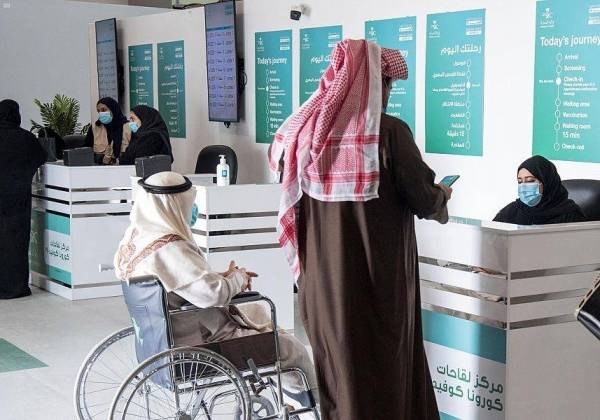
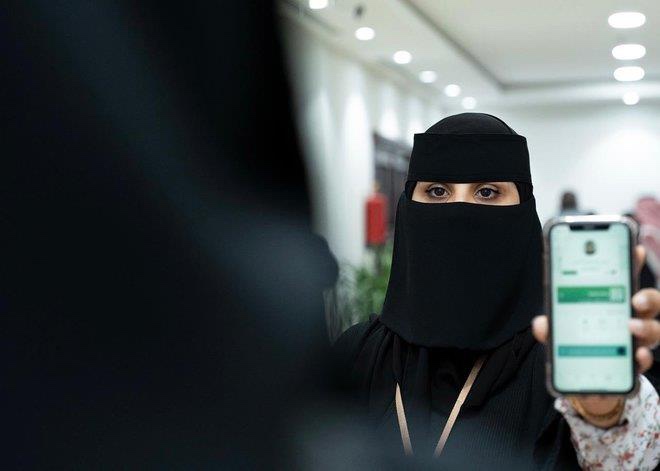
Sources told Akhbar 24 that the immunization status in Tawakkoluna is still required to enter health facilities and to determine eligibility for services.

She added that wearing a mask is still mandatory for all employees, patients and visitors throughout their stay inside the health facility, in order to keep everyone safe.

It is worth mentioning that the Ministry of Interior announced yesterday the lifting of precautionary measures related to combating the Corona pandemic, not requiring wearing a mask in indoor places except for the Two Holy Mosques and other specific places, and not requiring immunization and verifying the health status in the Tawakkolna application to enter facilities, activities, events and events.

Learn how to calculate employee end-of-service indemity. Be scalable to increase or decrease.

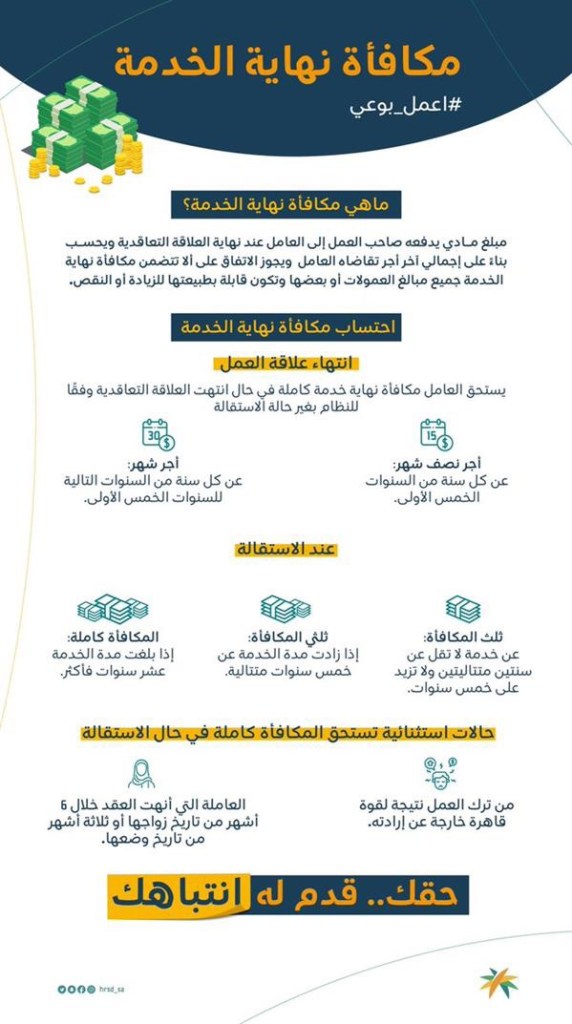
The Ministry of Human Resources and Social Development explained that the end-of-service indemnity is a material amount paid by the employer to the worker at the end of the contractual relationship, indicating that it is calculated based on the total last wage received by the worker.

The ministry pointed out that it is permissible to agree between the worker and the employer, provided that the end-of-service indemnity does not include all or some of the amounts of commissions, and is inherently subject to increase or decrease.

She pointed out that the worker is entitled to a full end-of-service indemnity if the contractual relationship ends in accordance with the system without the state of resignation, pointing out that at the end of the contractual relationship, half a month’s wage is calculated for each of the first five years, and one month’s wage for each of the years following the first five years.

She pointed out that upon resignation, the worker receives one-third of the reward for a service of not less than two consecutive years and not more than 5 years, two-thirds of the reward if the period of service exceeds 5 consecutive years, and the full bonus if the period of service reaches 10 years or more.

She added that there are exceptional cases that deserve full reward in the event of resignation, including who left work as a result of force majeure beyond his control, and a worker who terminated the contract within 6 months from the date of her marriage or 3 months from the date of placement.

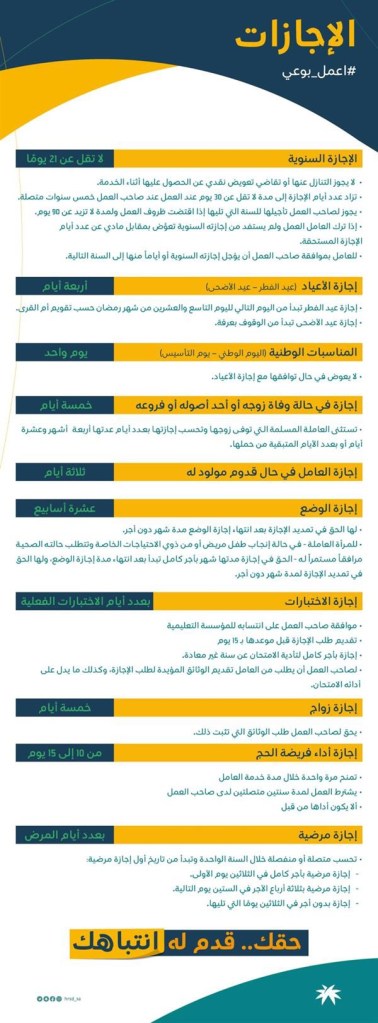
“Human Resources” clarifies the leave due to employees during the service. Includes marriage, holidays and illness.

The Ministry of Human Resources and Social Development reviewed the leave due to employees of all kinds and reasons.

She explained that annual leave is not less than 21 days, and it may not be waived or receive monetary compensation for obtaining it during service, and then the number of its days increases to at least 30 days when working for five consecutive years with an employer, noting that the employer may postpone it for the following year if working conditions require and for a period not exceeding 90 days.

She added that if the worker leaves work and does not benefit from his annual leave, he will be compensated for a fee for the number of days of leave due, and stressed that the worker has the right to postpone his annual leave or days thereof to the following year with the consent of the employer.

Festive holidays

With regard to the holidays, the ministry explained that the Eid al-Fitr and Al-Adha holidays are 4 days, so that the Eid al-Fitr holiday starts from the day after the 29th of Ramadan, while the Eid al-Adha holiday starts from standing in Arafa.

National events

She pointed out that national events such as National Day and Foundation Day are their holidays for one day, and are not compensated if they coincide with the holidays.

Death leave

The worker is entitled to leave for 5 days in the event of the death of his wife or one of his origins or branches. The Muslim worker whose husband has died is excluded and her leave is calculated by 4 months and 10 days or by the number of days remaining from her pregnancy.

Marriage or procreation

She pointed out that the worker is entitled to 5 days leave for marriage, and the employer has the right to request documents proving this, in addition to 3 days in the event of a newborn. The worker is also entitled to a maternity leave of 10 weeks, which can be extended after its expiration for a month without pay. She explained that the working woman in the event of having a sick child or

The tests

At the level of test leave, the worker is entitled to take leave by the number of actual test days, by the employer’s approval to join the educational institution, and to submit the leave request 15 days before its date, so that the leave is full pay to take the exam for an unrecurred year. The employer also has the right to ask the worker to submit documents supporting the leave application, as well as evidence of his performance of the exam.

Hajj

With regard to the Hajj obligation, the Ministry explained that the worker is entitled to leave of 10 to 15 days, granted once during the period of service, and that work is required for two consecutive years with the employer, and not to be performed by the worker before.

Sick leave –

At the level of sick leave, she stressed that the worker is entitled to leave with the number of sick days, calculated continuously or separately during one year, starting from the date of the first sick leave, and it is also given with full pay in the first thirty days, three quarters of the wage in the next sixty days, and unpaid leave in the next thirty days.